Roberto Luis, 61, Died After Being Hit by Large Tree Branch Near His San Diego Home
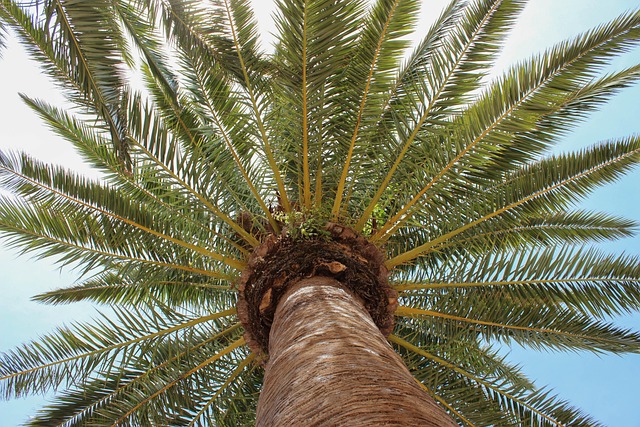
SAN DIEGO, CALIFORNIA (December 27, 2025) – A 61-year-old grandfather identified as Roberto Luis has tragically died in a San Diego accident after being hit by a falling tree branch during severe weather.
San Diego County officials are saying that the accident took place on Christmas Eve. Roberto Luis was hit by a large tree branch that split off from a nearby tree.
The force of the impact knocked him unconscious and left him with critical injuries. Firefighters and paramedics were called to the scene of the accident to help the victim.
Tragically, the incident caused Roberto Luis to go into cardiac arrest. He later died due to the severe nature of his injuries.
The victim’s daughter-in-law said that their family had issued complaints to the city for over 5 years about the safety of the tree. Despite their pleas, it does not appear that the city took any actions.
A full investigation into the accident remains ongoing at this time.
Liability for Accidents Involving Falling Trees
Cities and other municipal entities have a legal obligation to maintain their premises in a reasonably safe condition. A city could be liable for an accident involving a falling tree or falling tree branch if it was caused by a dangerous condition on public property, according to California Government Code § 835. If a property owner had actual or constructive notice of a dangerous condition and failed to remedy that dangerous condition, this could form the basis of a negligence claim. There are many signs that a tree is in a dangerous condition and prone to breaking or tipping over.
- Dying Branches: A tree may have dead or dying branches. This is a major red flag that the tree could experience a catastrophic failure at the base or with the branches.
- Cracks in the Trunk: Cracks within the trunk of the tree are often a major sign of substantial structural damage.
- Fungal Growth: A tree may have a fungal growth or mushrooms at the base. This is a major sign of internal rot, even when a tree looks healthy on the outside.
- Significant Leaning: When a tree is leaning precariously to one side, this is a major indicator that the tree may have weakened or otherwise compromised roots.
Cities must take reasonable steps to prevent foreseeable sources of harm with the trees that they own. Among other things, cities should hire a certified arborist to routinely inspect the trees on their property. These arborists should take note of any signs of damage, disease, or weakness with the trees they inspect. When a tree shows signs of decay, rot, or damage, city officials must take action. Even if a tree fell down during the middle of a storm or adverse weather conditions, this does not relieve a city or other municipal entity from their obligation to prevent accidents.
Steps to Take After Accidents Involving Falling Trees
Accidents involving falling trees or tree branches may seem like freak occurrences, but these types of accidents happen all the time. In fact, a 4-year-old boy was recently killed in San Diego this June after being hit by a falling tree branch at a local park. Family members have since filed a lawsuit against the city. It is important that certain actions are taken after any accident involving a fallen tree.
- Medical Records: All of the medical records associated with injuries should be collected and preserved. These are an important piece of evidence that helps indicate how an accident took place.
- Arborist Records: All city and arborist records related to the accident should be sought and reviewed. It should be determined if the city had any prior knowledge or complaints related to the tree that fell.
- Physical Evidence: All of the physical evidence related to the accident should be preserved. This will include samples of the tree and any photographs taken by investigators.
- Legal Review: The family of any person killed in an accident with the fallen tree should seek the guidance of experienced legal counsel. An attorney can evaluate the unique facts of your case free of cost and let you know if a city acted negligently.
Many accidents involving falling trees are totally preventable. This is particularly true with respect to accidents that involve eucalyptus trees. These types of trees are planted all over parks across San Diego County in California. They are substantially more likely to topple over. Cities are supposed to inspect their trees and be responsive to reports of dangerous trees, but far too often this does not happen. The family of any person who died in an accident involving a falling tree may have legal recourse through a wrongful death claim.
Investigating San Diego Accidents Involving Falling Trees
We at Carrazco Law extend our deepest condolences to the family of Roberto Luis. Any person who may have more information about what happened should reach out to investigators. There needs to be a thorough investigation into what went wrong so that similar tragedies can be prevented. Many questions remain unanswered. When was the last time this tree was inspected by an arborist? How many notifications does the city have against this tree in particular? Did this tree show signs of disease, rot, or structural damage?
Do you need more information about a San Diego accident involving a falling tree? Our team of accident investigators is here for you. We care deeply that accident victims are aware of their rights and that cities across California are held accountable for their negligence for accidents involving falling trees. Whether you just have legal questions or need a free, independent investigation into any accident, we are here for you. You can reach out to us anytime at (800) 541-3244. Se habla español.