Keith Shaw Sr, 57, Died Following Medical Emergency in Los Angeles County Jail
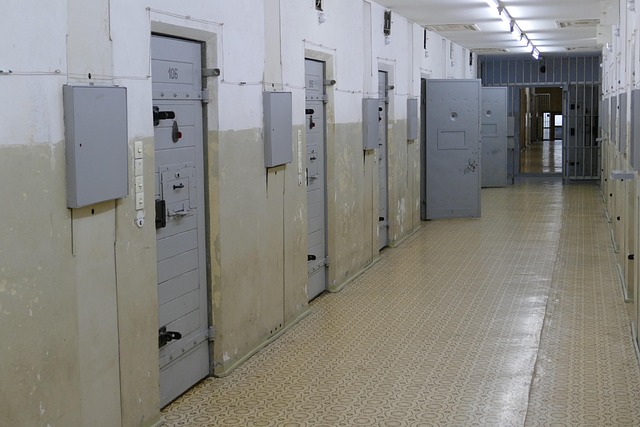
LOS ANGELES, CALIFORNIA (April 5, 2026) – A 57-year-old man identified as Keith Shaw Sr has tragically died while in custody at a Los Angeles County Jail.
The Los Angeles County Sheriff’s Department is saying that the incident took place around March 24, 2026. Keith Shaw Sr was transported to the Los Angeles General Medical Center to receive treatment.
Sadly, his condition deteriorated at the hospital, where he was later pronounced dead. The death of Keith Shaw Sr marks the 11th in-custody death in Los Angeles County in 2026.
A full investigation into the incident remains ongoing at this time.
Liability for Los Angeles County Inmate Deaths
Every jail in Los Angeles County has a legal obligation to protect inmates from reasonably foreseeable sources of harm. This necessitates that all inmates receive adequate medical treatment for any conditions they may have. In particular, a number of inmates enter jail with various issues related to substance abuse. Jails should take several measures to protect inmates during their stay.
- Medical Screening: All jails should make sure that inmates receive adequate medical screening before they are admitted.
- Monitoring: Inmates should receive periodic wellness checks throughout the duration of their stay.
- Medication: Every inmate should receive whatever medication they may need while they are in custody.
Not every instance of neglect on the part of a jail amounts to a constitutional violation. Rather, a jail can be liable for an inmate’s injury or death if they are deliberately indifferent to a serious medical need. This can include situations where an inmate requires emergency care, but that care is delayed for some time. In far too many situations, jails will delay getting an inmate emergency care until it is already too late.
Steps to Take After Los Angeles County Inmate Deaths
Los Angeles County has a particularly poor reputation for the treatment that inmates receive. According to the Vera Institute of Justice, “Overcrowded facilities are the most significant single factor driving jail deaths in Los Angeles. The jail system has operated over capacity for the vast majority of the past five years. Beyond the squalid and cramped conditions, overcrowded jails also limit access to resources, especially medical care.” Multiple steps should be taken after any inmate dies at a Los Angeles County jail.
- All medical records related to the person’s stay should be sought.
- Jail records related to the person’s stay should also be collected. Jails tend to keep detailed records about any person’s stay.
- The history of inmate deaths at the facility in question should be understood.
- The family of any person who died should seek an independent investigation by a team experienced in civil rights claims.
Jails are often quick to claim that any inmate death is natural. But the fact of the matter is that this designation can be highly misleading. Many allegedly natural deaths actually involve some amount of medical neglect. This is why it is so important that any death in a Los Angeles County jail is independently investigated. The family of any person who died in custody may be able to seek some measure of transparency and accountability through a civil rights action.
Investigating Los Angeles County Inmate Deaths
We at Carrazco Law extend our deepest condolences to the family of Keith Shaw Sr. Any person who may have more information about what happens should reach out to investigators. The sheer number of inmate deaths at LA County jails in recent years remains deeply concerning.
Do you need more information about a Los Angeles County inmate death? Our team of civil rights advocates is here for you. We care deeply that inmates are aware of their constitutional rights and that those rights are being protected through skilled advocacy. Whether you just have legal questions or need any type of assistance, we are here to serve your needs. You can reach out to us anytime at (800) 541-3244.