Alexis Moron Ledinich, 45, of Fontana, Died While Being Held at the West Valley Detention Center in Rancho Cucamonga
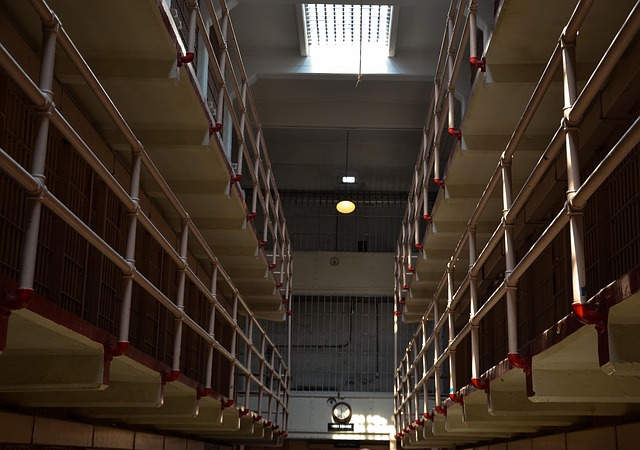
RANCHO CUCAMONGA, CALIFORNIA (April 23, 2026) – A 45-year-old man identified as Alexis Ledinich has tragically died while being held at the West Valley Detention Center in Rancho Cucamonga.
San Bernardino County officials are saying that the incidents occurred around 5:28 a.m. on Monday, April 20. San Bernardino County Sheriff’s Department deputies discovered that Alexis Ledinich was unresponsive in his jail cell.
Deputies and jail medical staff entered the cell and began life-saving measures. Both American Medical Response and Rancho Cucamonga Fire Department officials were called to the scene.
They were able to continue resuscitation efforts. Sadly, Alexis Ledinich was beyond medical aid and later pronounced deceased.
This is the third death reported at the West Valley Detention Center in the last three weeks. On April 3, 2026, Odiakosa Obazeh, 40, died following some type of medical emergency in his cell. On April 19, 2026, Mariel Mays, 26, died after being found unresponsive in his jail cell.
Liability for Inmate Deaths at the West Valley Detention Center
Every inmate in California has certain inalienable rights afforded by the constitution. This includes the right to live free from any form of cruel and unusual punishment. Accordingly, jails must provide all inmates with the medical treatment that they require. Failing to provide inmates with reasonably adequate medical care is considered a form of cruel and unusual punishment and therefore unconstitutional. There are a number of systemic factors at any jail that could contribute to an inmate’s death.
- Under-staffing: A jail may have two few correctional officers to monitor all of the different housing units. A lack of properly trained staff affects the quality of care that all inmates receive. It may also lead to a delayed response in the event of a medical emergency.
- Screening: A jail may fail to properly screen all of the inmates that enter the facility. It is also possible that jails ignored known health conditions that an inmate had.
- Training: A jail may fail to properly train correctional officers to understand the signs that an inmate is in serious distress. One of the major problems with most jails is that they tend to have a high turnover rate. This can lead to situations where fewer and fewer officers have extensive training and experience.
- Contraband: A jail may have insufficient measures to prevent dangerous drugs like fentanyl from entering into their facility. This issue has been particularly deadly at jails across Los Angeles County.
If a jail is deliberately indifferent to the serious medical needs of an inmate, this could form the basis of a constitutional claim. However, liability for inmate deaths could extend beyond the jail that was holding them. Many jails contract with private healthcare providers that are supposed to care for the needs of inmates. If one of these organizations fails to meet constitutionally required standards of care, they can also be held liable for an in-custody death.
Steps to Take After San Bernardino County Inmate Deaths
The Inland Empire continues to have one of the highest incident rates for custody deaths for California. According to Cal Matters, “Jail time or arrests became death sentences for 442 people who died in custody in the Inland Empire from 2011 to 2022, a criminal justice nonprofit found. That includes 216 deaths in custody in San Bernardino County and 226 deaths in Riverside County, according to Inland Empire Lives Lost, a report released in early October by Care First California.” Multiple actions should be taken after any inmate death.
- Jail Records: All of the jail records related to the inmate stay should be collected. This includes any medical records related to their stay.
- Autopsy Reports: The reports of any autopsy performed should be closely reviewed. If an autopsy has not been performed, family members may be able to request one.
- Independent Review: The family of any person who died in custody should seek an independent review of the incident with a team experienced in constitutional claims.
Jail deaths tend to be highly preventable in many cases. They often involve situations where correctional officers are not properly monitoring inmates who should be receiving more extensive medical care. Unfortunately, jails will virtually never take responsibility when an inmate dies in their care. They are more likely to label these types of deaths as ‘natural,’ even when they show signs of medical neglect. The family of any inmate who died in custody is able to seek some measure of accountability through a civil claim.
Investigating Inmate Deaths at the West Valley Detention Center
We at Carrazco Law extend our deepest condolences to the family of Alexis Ledinich. Any person who may have more information about what happened should reach out to investigators. It is deeply concerning that three inmates have all died at the West Valley Detention Center in the last three weeks alone. There needs to be a thorough investigation into what is going on at this facility.
Do you need more information about an inmate death at the West Valley Detention Center? Our team of civil rights advocates is here for you. We care deeply that inmates are aware of their rights and that jails are held fully accountable for their unconstitutional actions. Whether you just have legal questions or need a free, independent investigation into any case, we are here to serve your needs. You can reach out to us anytime at (800) 541-3244.