
Santos Fonsecca Hospitalized After Being Attacked by K9 Unit in Los Angeles Along Saticoy Street
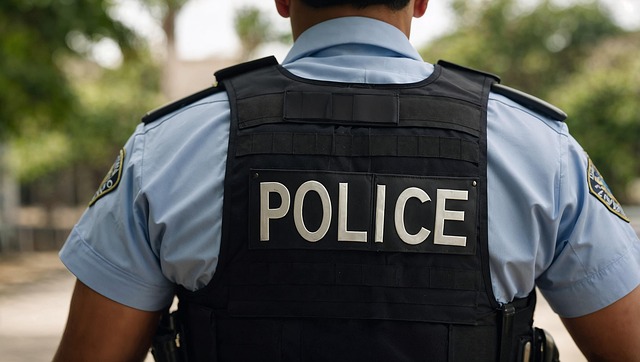
LOS ANGELES, CALIFORNIA (August 4, 2026) – A 39-year-old man identified as Santos Fonsecca was injured in a Los Angeles Police Department dog attack near Saticoy Street.
Los Angeles Police Department officials are saying that the incident took place around 3:45 AM on July 31. Officers responded to a call about a potential restraining order violation along the 1900 block of Cohasset Street.
Authorities responded to the area and encountered a person who matched the suspect’s description. That person was later identified as Santos Fonsecca.
He allegedly fled on foot, and police officers conducted a search of the area with multiple canine units. Officers eventually located him.
Santos Fonsecca sustained bite injuries to his right forearm and was taken into police custody before being transported to a nearby hospital to receive medical treatment.
He has since been booked into an LAPD jail facility. A full investigation into the incident remains ongoing at this time.
Liability for Los Angeles Police Department K9 Dog Attacks
Police officers are given a great deal of discretion in how they use force to apprehend suspects. Under the Fourth Amendment of the constitution, any force that is used to detain a person will be evaluated under the objective-reasonableness standard that was created in Graham v. Connor. In cases that involve the use of police dogs, courts will consider whether or not warnings were feasible and whether or not a handler had effective control over their dog. The duration of the K9 force also matters after a suspect has been apprehended. What follows are a few other items that courts will consider if someone is attacked by a police dog.
- Offense Type: The nature of the suspect’s offense should be taken into consideration. Police dogs should not typically be used to apprehend suspects only being investigated for minor offenses.
- Danger: It also matters whether or not the suspect presented an immediate and objective threat to officers or the public.
- Training Records: Another important consideration is the training records of the canine that was being used.
- Proximity: Proximity of the police officer handling the dog is also worth taking into consideration. Police officers have less control over any dog once it is unleashed. There is a greater threat of prolonged force in these situations.
If a police department uses excessive force when releasing a police dog, this could form the basis of a constitutional claim under 42 U.S.C. section 1983. Consider, for example, Lowry v. City of San Diego, 858 F.3d 1248 (9th Cir. 2017). In that case, the Ninth Circuit held that the force used was not excessive given the facts they were considering. Among other things, officers issued repeated warnings before using a police dog. When officers do not issue warnings or otherwise fail to de-escalate an encounter, this could be construed as misconduct.
Common Injuries Associated With Police Dog Bites
Police dogs can produce an enormous bite force that can rip through tissue and even bone. According to one peer-reviewed study in the Annals of Emergency Medicine, victims of police dog attacks typically received four or more bites to their extremities. Roughly 20% of those bites resulted in long-term complications. These include vascular injuries and nerve damage. Accordingly, visible puncture wounds on the skin will typically not reveal the true extent of the harm that has been done. It is important that evidence is properly considered and documented after any attack involving a police dog.
- Photographs: Photographs of all of the wounds should be taken.
- Clothing: Any clothing that may have been damaged in the attack should also be preserved.
- Medical Records: All of the medical records associated with the victim’s treatment should be collected.
- Body Camera: Body camera footage from all responding officers should be thoroughly reviewed and documented.
All of the reported complications associated with dog bites highlight the importance of seeking medical care as early as possible. Even a seemingly minor bite can lead to a life-threatening infection or lasting damage. After a person has been taken care of medically, they should also carefully consider their legal options with a team experienced in constitutional claims. A civil rights attorney can help ensure your rights are being protected and that you receive the support necessary to recover from your injuries.
Getting Legal Help After Being Attacked by Los Angeles Police Department K9s
We at Carrazco Law extend our best wishes to Santos Fonsecca as he continues to recover. Any person who may have more information about what happened should reach out to investigators. It is deeply concerning that so many police departments are continuing to use police dogs, given how many people have been seriously injured during these encounters. The Attorney General and legislature should do the right thing and provide greater oversight of these use-of-force incidents.
Do you need more information about a LAPD police dog attack? Are you struggling with medical bills or other hardships after being harmed by the excessive force of police officers? You may be entitled to significant financial compensation. Our team of experienced civil rights attorneys is here to support you. We care deeply that victims of police misconduct get the support and justice that they need to move forward with their lives. Whether you just have legal questions or need any other type of support, we are here for you. You can contact us anytime at (800) 541-3244.