Summerville, South Carolina: a 46-year-old man became unresponsive after officers used a Taser and handcuffed him, and he died at a hospital
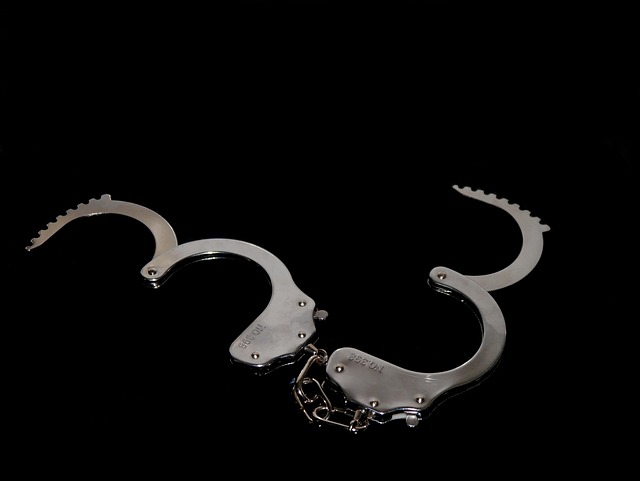
SUMMERVILLE, SOUTH CAROLINA (October 3, 2026): Jerome Green, 46, of Summerville, died early Saturday, October 3, after Summerville police officers used a Taser on him and placed him in handcuffs, according to the Summerville Police Department and Dorchester County Coroner Paul Brouthers, as reported by Live 5 (WCSC) and FITSNews. The coroner said Green was pronounced dead at a local hospital at 5:03 a.m.
According to the police department, a man flagged down officers and told them he had killed someone. When officers tried to detain him, the department said he “physically resisted.” Officers then deployed a Taser, gained control of him and handcuffed him. The department said that after he was detained, he became unresponsive.
Dorchester County EMS attempted lifesaving measures and took Green to a hospital, where he was pronounced dead. Police later said they found no evidence that he had killed anyone and could not connect his statement to any homicide.
The South Carolina Law Enforcement Division (SLED) and the Dorchester County Coroner’s Office are investigating. Green’s cause of death has not been released, and officials have not said how much time passed between the use of the Taser and the moment he became unresponsive. Officials have not said whether the encounter was recorded.
Liability for the Summerville In-Custody Death
Under 42 U.S.C. § 1983, families can bring federal civil rights claims when government officials violate a person’s constitutional rights. During an arrest, the Fourth Amendment protects against excessive force, and in Graham v. Connor (1989) the U.S. Supreme Court held that force is judged by whether it was objectively reasonable in light of the facts the officers faced, including the severity of the suspected crime, whether the person posed an immediate threat and whether he was actively resisting. Once a person is in custody, officers also have duties regarding medical care and safe restraint. Based on what has been released so far, the questions include:
- Use of the Taser: Police said officers deployed a Taser after Green physically resisted. The number of activations and their timing are typically reviewed under the Graham standard.
- Restraint after handcuffing: Green became unresponsive after he was detained. How he was positioned and monitored once handcuffed is often central in these reviews.
- Medical response: Investigators will look at how quickly officers recognized that Green was unresponsive and when lifesaving measures began.
- Any recordings: Officials have not said whether the encounter was recorded. Any video could show the full sequence from the moment Green flagged officers down.
Federal civil rights claims can be brought against individual officers and, in some cases, against a city when a policy, custom or lack of training contributed to a death. Families may also have state law wrongful death claims. These civil claims are separate from the SLED investigation and from any decision about criminal charges.
Steps to Take After a Summerville In-Custody Death
Deaths that occur during an arrest are reported to federal authorities under the Death in Custody Reporting Act, but the records that matter most to a family are usually held by local agencies and can be lost or overwritten if no one requests them early.
- Request preservation of evidence: Ask in writing that the police department preserve any video, Taser data logs and radio recordings from the encounter.
- Request the autopsy: Ask the Dorchester County Coroner’s Office for the autopsy and toxicology reports when they are complete.
- Follow the SLED investigation: Ask SLED how the family will be informed of its findings and whether its report will be made public.
- Identify witnesses: People who were nearby when Green flagged down officers may have seen or recorded the encounter. Write down their names and contact information.
Federal civil rights claims generally borrow the personal injury deadline of the state where the death happened, which in South Carolina is generally three years. Claims under the state’s Tort Claims Act against a government entity can have shorter deadlines. Contact an attorney promptly to protect your rights.
Investigating the Summerville In-Custody Death
We at Carrazco Law, A.P.C. extend our deepest condolences to the family and friends of Jerome Green. Important questions remain: What happened in the minutes after officers handcuffed him? And what will the autopsy show about the cause of his death?
If a loved one died or was seriously injured while in custody, our civil rights attorneys can help you understand your rights under federal civil rights law. Call us anytime at (800) 541-3244. Se Habla Español. Free consultation.

Carrazco Law, A.P.C. is based in California. Its attorneys are licensed in California; representation in a federal court outside California depends on that court’s admission rules and may involve associating with local counsel.
Published on October 8, 2026 by M.M., Carrazco Law, A.P.C. The incident described in this article occurred on October 3, 2026.