California Department of Corrections and Rehabilitation Investigating Attack at Richard J. Donovan Correctional Facility (RJD) as Suspected Homicide
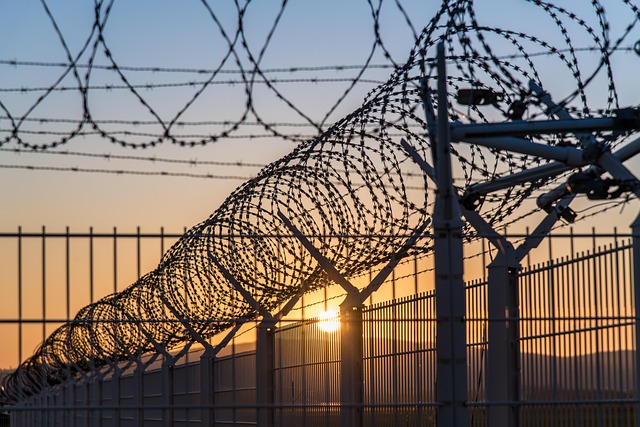
SAN DIEGO, CALIFORNIA (August 10, 2026) – An inmate identified as Hector Ozuna has died in custody at the Richard J. Donovan Correctional Facility in San Diego County.
San Diego County officials are saying that the incident occurred around 6:07 AM on August 1. Correctional officers noticed that Hector Ozuna was unresponsive following an altercation with another inmate.
Jail staff responded to the scene and began life-saving measures. Unfortunately, Hector Ozuna was pronounced deceased roughly 1 hour after he was discovered.
His cellmate has been placed in restricted housing pending an investigation. The death is currently being investigated as a homicide.
Liability for San Diego County Inmate Deaths
Every person incarcerated in a California prison has an Eighth Amendment right to protections against serious violence and other foreseeable sources of harm. If jail officials have actual knowledge of a substantial risk to a certain inmate and failed to take reasonable actions, this could form the basis of a constitutional claim under 42 U.S.C. § 1983. Several pieces of evidence should be considered after any inmate dies in a suspected attack at a California prison.
- All of the classification and housing records related to the inmates involved should be scrutinized.
- Any reports of threats or complaints should also be seriously considered.
- Supervision and security records are likewise very important and can provide important context.
- Physical and forensic evidence related to the assault can help reveal what actually took place.
When jails fail to take reasonable measures to protect inmates from violence, they can be held legally responsible by the victim or surviving family members. Consider, for example, Giraldo v. California Department of Corrections and Rehabilitation, 168 Cal. App. 4th 231 (Cal. Ct. App., 1st Dist. 2008). The California Court of Appeal held that there is a special relationship between a prisoner and the jailer holding them. This relationship creates a duty of care to protect that prisoner from any type of foreseeable harm that is inflicted upon them.
Preventing Violence at Correctional Facilities
Violence in prisons and other correctional facilities is unfortunately much more common than many people realize. According to one report by the U.S. Bureau of Justice Statistics, there were 143 homicides in state prisons in 2019 alone. This was the highest record during the 19-year period of the study. Prisons should take a number of measures to protect inmates from violence.
- Prisons should typically segregate violent inmates from nonviolent offenders.
- Prisons should create reliable reporting channels that can document threats and other important incidents.
- Prisons should maintain meaningful supervision, particularly in common areas.
- Prisons should prepare for intervention in the event of a fight.
- Prisons should do their best to prevent weapons and other illegal contraband from entering their facility.
Inmate homicides are often highly preventable. They tend to involve situations where jails or prisons are not following regular safety standards. Unfortunately, jails and prisons are not likely to accept responsibility if some inmate dies in their care. They are more likely to claim that the incident was unforeseeable. It is important for inmates and their families to understand that they do have rights. In particular, the family members of any inmate who died in custody are able to seek some measure of accountability through civil action.
Investigating San Diego County Inmate Deaths
We at Carrazco Law extend our deepest condolences to the family of Hector Ozuna. Any person who may have more information about what occurred should reach out to authorities. There needs to be a thorough investigation into what went wrong so that similar tragedies can be prevented.
Do you need more information about an inmate in San Diego County? Our team of civil rights advocates is here for you. We are committed to helping victims understand their rights and holding law-enforcement agencies accountable for their misconduct. Whether you just have legal questions or need any other type of support, we may be able to assist you. You can contact us anytime at (800) 541-3244.