Twin Towers and Men’s Central Jail: two pre-sentenced men died in Sheriff’s custody on consecutive days
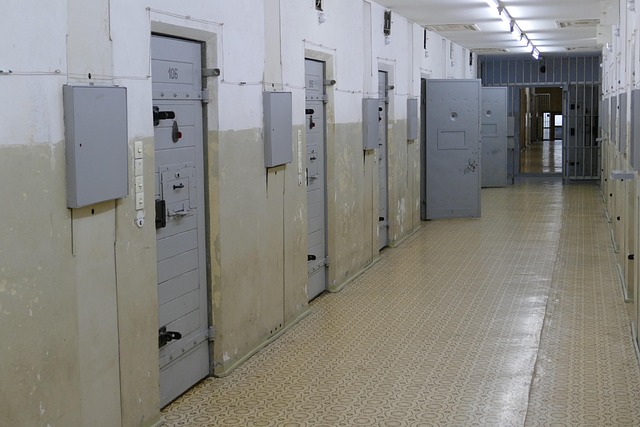
LOS ANGELES, CALIFORNIA (September 20 and 21, 2026): Two men died in the custody of the Los Angeles County Sheriff’s Department on consecutive days, one at Twin Towers Correctional Facility on Sunday, September 20, and one at Men’s Central Jail on Monday, September 21, according to the department’s public in-custody death records. The two deaths are the 30th and 31st in-custody deaths the department has listed so far in 2026. Neither man has been publicly identified, and the manner and cause of both deaths are listed as pending the final autopsy report.
According to the Sheriff’s Department listing, the first man was 34 years old. The injury or illness that led to his death began inside Twin Towers Correctional Facility, and he died there, in a location the department identifies as Cell 161. The second man was 46. His death is recorded at Men’s Central Jail, in an area the department lists as the 5900 living area. The department classified both men as pre-sentenced, and listed both as Black men.
The same records list two earlier deaths this month: a 40-year-old man from Twin Towers on September 5 and a 43-year-old man at Men’s Central Jail on September 11. The department says its Homicide Bureau investigates every in-custody death, with oversight from the Office of Inspector General, and that each death is reported to the California Department of Justice within two business days. Anyone with information may contact the Sheriff’s Homicide Bureau at (323) 890-5500.
Liability for Los Angeles County Jail Deaths
Families of people who die in a county jail generally look to the federal civil rights statute, 42 U.S.C. § 1983, and to state law such as California Government Code § 845.6, which can make a public entity and its employees liable when they know, or have reason to know, that a person in custody needs immediate medical care and fail to take reasonable action to summon it. Because both men were pre-sentenced, their claims are generally analyzed under the Fourteenth Amendment, which protects pretrial detainees from objectively unreasonable failures to provide medical care. Key issues usually include:
- Safety checks: California’s jail standards in Title 15 generally require direct visual safety checks at least once an hour. Whether deputies performed and logged them is typically a central issue.
- Medical screening and care: Intake screening, medication records and sick call requests can show whether Correctional Health Services recognized and treated warning signs.
- Emergency response: Under Government Code § 845.6, the timing of the response once staff learned of an emergency, including when medical staff and paramedics were called, can be decisive.
- Housing and classification: Where and with whom each man was housed, and any mental health or medical classification, can bear on whether the county took reasonable steps to protect him.
Any criminal review by the District Attorney is independent of a family’s civil claims, and an autopsy finding of natural causes does not by itself answer whether adequate care was provided.
Steps to Take After a Death in Los Angeles County Jail Custody
The Sheriff’s Department says it posts basic in-custody death information in response to Assembly Bill 2761, which took effect on January 1, 2023. The rest of the record usually has to be requested, and families generally need to act quickly.
- Request the records: Ask in writing for the incident reports, the Medical Examiner’s autopsy and toxicology results, and the jail medical file. The Sheriff’s Department also lists a Family Assistance Program for relatives of people who die in custody.
- Preserve video: Jail housing areas are often covered by cameras. A prompt written preservation request can help keep footage from being overwritten.
- Keep communications: Save call logs, letters, messages and any complaints the person made about his health or safety while in custody.
- Identify witnesses: People housed nearby, visitors and outside providers may know about the days before the death.
A government claim against a county generally must be filed within six months under Government Code § 911.2, and many wrongful death claims carry a two-year deadline under Code of Civil Procedure § 335.1. Contact an attorney promptly to protect your rights.
Investigating the Twin Towers and Men’s Central Jail Deaths
We at Carrazco Law, A.P.C. extend our deepest condolences to the families of both men. Important questions remain: When were the men last checked by deputies before their deaths, and were the required hourly safety checks completed and logged? Had either man asked for medical or mental health care in the days before he died, and how did jail medical staff respond?
If a loved one died or was seriously injured while in custody anywhere in California, our civil rights attorneys can help you understand your rights and legal options. Call us anytime at (800) 541-3244. Se Habla Español. Free consultation.

Published on September 24, 2026 by M.M., Carrazco Law, A.P.C. The incident described in this article occurred on September 20 and 21, 2026.