San Diego Central Jail, 1173 Front Street: a 50-year-old man was found unresponsive in his cell one day after he was booked
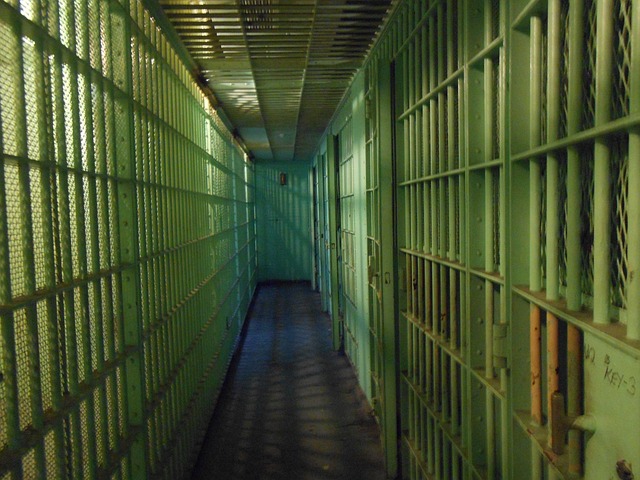
SAN DIEGO, CALIFORNIA (September 5, 2026): Daniel Patrick Murphy, 50, died in the custody of the San Diego County Sheriff’s Office at San Diego Central Jail on Saturday, September 5, one day after he was booked into the downtown facility, according to the Sheriff’s Office as reported by Times of San Diego and FOX 5 San Diego. The San Diego County Medical Examiner’s Office will determine the cause and manner of his death.
According to sheriff’s officials, a deputy conducting a security check at about 7:06 p.m. found Murphy unresponsive in the cell he shared with another incarcerated person at the jail on Front Street. The deputy requested help from jail medical staff, activated 911 and began lifesaving measures. Paramedics from the San Diego Fire-Rescue Department continued resuscitation efforts, but Murphy was pronounced dead at 7:33 p.m., roughly half an hour after he was found.
Murphy had been arrested by the San Diego Police Department on a warrant and booked into the jail on Friday, September 4, on drug-related allegations, officials said. He had not been convicted of those allegations. The Sheriff’s Homicide Unit is investigating the death, as it does with every death of a person in custody, and the Citizens’ Law Enforcement Review Board (CLERB), the county’s civilian oversight body, has been notified.
The death comes amid years of scrutiny of San Diego County’s jails. In a 2022 audit that examined 185 deaths in the county’s jails from 2006 through 2020, the California State Auditor concluded that deficiencies in how the Sheriff’s Department cared for and protected incarcerated people likely contributed to in-custody deaths. Anyone with information about Murphy’s death may contact the San Diego County Sheriff’s Homicide Unit.
Liability for San Diego Central Jail Deaths
Families of people who die in a county jail generally look to the federal civil rights law, 42 U.S.C. § 1983, and to state law such as California Government Code § 845.6, which can make a public entity and its employees liable when they know, or have reason to know, that a person in custody needs immediate medical care and fail to take reasonable action to summon it. Because Murphy had been booked only a day earlier and had not been sentenced, a claim would generally be analyzed under the Fourteenth Amendment, which protects pretrial detainees from objectively unreasonable failures to provide medical care. The key questions usually include:
- Intake screening: Murphy died roughly a day after booking. The medical screening done at intake, including any questions about drug use or withdrawal, is typically central when a death happens this soon after arrival.
- Monitoring and safety checks: California’s jail standards generally require direct visual safety checks at least once an hour. Logs and video can show when Murphy was last seen responsive before the 7:06 p.m. check.
- Cellmate and other witnesses: Murphy shared a cell. What his cellmate and people in nearby cells saw, heard or reported in the hours before can be important evidence.
- Medical contractors: Health care in many county jails is delivered through private contractors. Private medical providers working in a jail are generally held to the same constitutional standards as public employees.
The Sheriff’s investigation and any review by CLERB are separate from a family’s civil claims, and a Medical Examiner’s finding on the cause of death does not by itself answer whether reasonable care was provided.
Steps to Take After a Death in San Diego County Jail Custody
California law requires agencies to report every in-custody death to the state Department of Justice, and the San Diego County Sheriff’s Office posts in-custody death data on its transparency page. Most of the underlying record, however, has to be requested, and families generally need to move quickly.
- Request the records: Ask in writing for the autopsy and toxicology results from the Medical Examiner, the incident reports and the jail medical file.
- Preserve video: Housing units, intake areas and medical areas are often recorded. A prompt written preservation request can help keep footage from being overwritten.
- Follow the CLERB review: The Citizens’ Law Enforcement Review Board reviews in-custody deaths in San Diego County. Families can ask about the status of its review and submit information.
- Keep communications: Save jail calls, messages, letters and any complaints Murphy or his family made about his health while he was in custody.
Legal deadlines and notice requirements apply after a crash, injury or death, and they vary with the facts of each case, the location and the parties involved, including any public agency. Contact an attorney as soon as possible to protect your rights.
Investigating the San Diego Central Jail Death of Daniel Patrick Murphy
We at Carrazco Law, A.P.C. extend our deepest condolences to the family and friends of Daniel Patrick Murphy. Important questions remain: What did jail medical staff learn about Murphy’s health and possible drug use when he was booked on September 4, and how closely was he monitored afterward? And when was he last seen alert and responsive before a deputy found him unresponsive at 7:06 p.m.?
If a loved one died or was seriously injured while in custody anywhere in California, our civil rights attorneys can help you understand your rights and legal options. Call us anytime at (800) 541-3244. Se Habla Español. Free consultation.

Published on September 28, 2026 by M.M., Carrazco Law, A.P.C. The incident described in this article occurred on September 5, 2026.