California State Prison, Sacramento: a 47-year-old man was attacked on a golf cart while staff were escorting him and another incarcerated man, and he died at a hospital
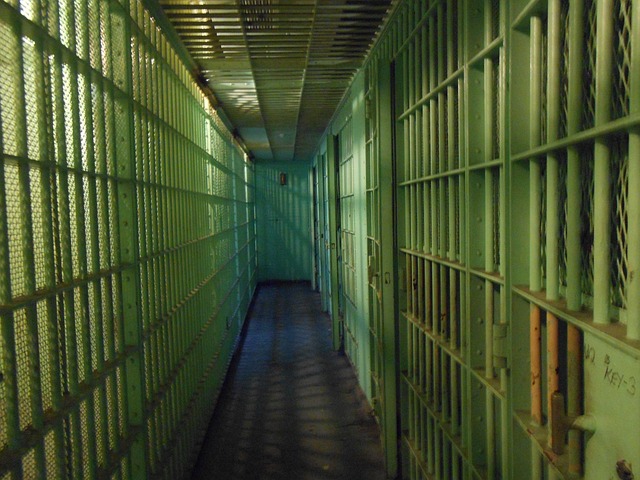
FOLSOM, CALIFORNIA (October 6, 2026): Mario Ortega, 47, died on Tuesday, October 6, after he was attacked by another incarcerated man while correctional staff were escorting both of them on a golf cart inside California State Prison, Sacramento, in Folsom, according to the California Department of Corrections and Rehabilitation (CDCR), as reported by ABC10. CDCR is investigating the death as a homicide.
According to CDCR, at about 10:50 a.m., staff were using the golf cart to move the two men within a facility when the other man, 29, worked his way out of his hand restraints and began attacking Ortega. The department said staff stopped the cart, intervened and ended the attack, and then placed the 29-year-old back in handcuffs. An improvised weapon was recovered at the scene. No criminal charges have been announced, and the 29-year-old is presumed innocent unless proven guilty in court.
Staff called 911 and began lifesaving measures, CDCR said. Ortega was taken to an outside medical facility, where a doctor pronounced him dead at about 11:50 a.m. The 29-year-old was moved to the prison’s restricted housing unit while the prison’s Investigative Services Unit investigates, and the Office of the Inspector General was notified.
CDCR has not said how the man was able to free himself from his restraints, what kind of restraints were used, how many officers were escorting the two men or why they were being moved together.
Liability for the CSP-Sacramento Prison Death
Under 42 U.S.C. § 1983, families can bring federal civil rights claims when government officials violate a person’s constitutional rights. In Farmer v. Brennan (1994), the U.S. Supreme Court held that prison officials have a duty to protect incarcerated people from violence at the hands of other prisoners, and that deliberate indifference to a substantial risk of serious harm violates the Eighth Amendment. Based on what CDCR has released, the questions include:
- The restraints: CDCR said the man slipped out of his hand restraints during the escort. How the restraints were applied and checked will be a central question.
- Moving two men together: Both men were on the same golf cart. Whether policy allowed them to be escorted together, and whether staff knew of any conflict between them, is typically reviewed.
- The improvised weapon: A weapon was recovered at the scene. How it was obtained and whether searches before the escort were done is likely to be examined.
- Staffing and response: Investigators will look at how many officers were present and how quickly they were able to stop the attack and begin medical care.
Federal civil rights claims can be brought against individual officers, and state law may provide separate wrongful death claims in some situations, although California law gives public entities certain protections for injuries to prisoners. These civil claims are separate from CDCR’s homicide investigation and from any decision about criminal charges.
Steps to Take After a Death in a California Prison
Deaths in state prisons are reported to the federal government under the Death in Custody Reporting Act, and the Office of the Inspector General monitors many CDCR investigations. Still, the records that matter most to a family are held by the prison and can be lost if no one asks for them early.
- Send a preservation letter: Ask CDCR in writing to keep video, escort logs, restraint records and search records from that morning.
- Request the autopsy: Ask the county coroner’s office how and when the autopsy report will be shared with the family.
- Follow the OIG review: Ask the Office of the Inspector General whether it is monitoring the investigation and how findings will be made public.
- Keep a timeline: Write down every call and letter from CDCR, with the date, the time and the name of the person who contacted the family.
Federal civil rights claims in California generally must be filed within two years under Code of Civil Procedure § 335.1. State law claims against the State of California generally require a government claim within six months under Government Code § 911.2. Contact an attorney promptly to protect your rights.
Investigating the CSP-Sacramento Prison Death
We at Carrazco Law, A.P.C. extend our deepest condolences to the family and friends of Mario Ortega. Important questions remain: How was the other man able to free himself from his restraints during a staff escort? And how did an improvised weapon end up on that golf cart?
If a loved one died or was seriously injured while in custody anywhere in California, our civil rights attorneys can help you understand your rights and legal options. Call us anytime at (800) 541-3244. Se Habla Español. Free consultation.

Published on October 9, 2026 by M.M., Carrazco Law, A.P.C. The incident described in this article occurred on October 6, 2026.