A Guide for People Hurt and Families Who Lost Someone in a Crash With a Tractor-Trailer in California
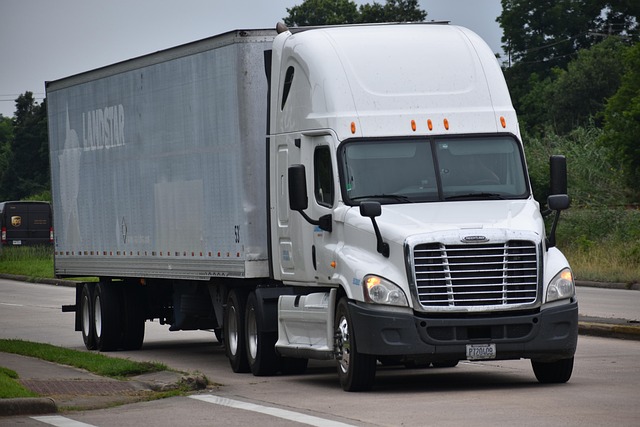
A crash with a big rig changes lives in seconds. Injured people and families are often left with hospital bills, a damaged vehicle and calls from insurance companies before they know what happened. This guide explains, in general terms, what usually happens after a crash with a tractor-trailer or another large commercial truck in California, which records exist, which laws apply and what injured people and families can do. It is general information about the law, not legal advice about any particular case.
About this guide: This article is for general informational purposes only. It was prepared from research of official sources, including the published text of California and federal laws, court decisions and government data, all listed at the end. It is not legal advice, it does not address any specific case, and reading it does not create an attorney-client relationship. Laws change and every situation is different; for advice about a specific situation, consult a licensed attorney.
Why Big Rig Crashes Are Different
Of the approximately 415,000 police-reported crashes involving large trucks in the United States in 2020, 4,444 were fatal crashes and about 101,000 were injury crashes, according to the Federal Motor Carrier Safety Administration in Large Truck and Bus Crash Facts 2020. Weight is only part of the story. A commercial truck crash often involves more than one company: the driver, the motor carrier that operates the truck, the owner of the trailer, the company that loaded the cargo, a maintenance shop and, sometimes, a manufacturer. Each one may have its own insurance and its own records.
What to Do at the Scene and in the First Days
The first priority is always medical care. When it is safe, these steps can help protect the information an injured person or family may need later:
- Get medical care: Call 911 and accept an evaluation, even if injuries seem minor. Some injuries from a heavy impact do not show up right away.
- Write down the truck information: The name of the trucking company, the USDOT number usually painted on the cab door, the license plates of the truck and the trailer and the trailer number.
- Take photos and find witnesses: Photograph the vehicles, the road, skid marks, debris and any cargo, and ask witnesses for their names and phone numbers.
- Ask for the report number: Ask the California Highway Patrol or the local police department for the report number and how to request the collision report.
- Keep every record: Save medical records, bills, receipts, photos and messages in one place, and keep a simple journal of pain, treatment and missed work.
- Be careful with insurers: The trucking company’s insurer may call quickly. Avoid giving a recorded statement or signing documents before getting legal guidance, and notify your own insurer as soon as possible.
- Do not repair or dispose of your vehicle too soon: Your vehicle can be important evidence. Make sure it is photographed and documented before it is repaired, sold or scrapped.
Who May Be Responsible Under California Law
Under California Civil Code § 1714, everyone is generally responsible for injuries caused by a lack of ordinary care. Civil Code § 2338 generally makes a principal responsible to third persons for the negligence of an agent in the transaction of the principal’s business, which is one of the reasons an employer can be responsible for a driver who was working. If a driver leaves the scene, Vehicle Code § 20001 generally requires a driver involved in a crash that injures or kills someone to stop, help and identify themselves. Depending on the facts, these parties may be involved:
- The truck driver: A driver who was speeding, distracted, impaired, too tired or not following traffic laws may be responsible for the harm caused.
- The motor carrier or employer: A company may be responsible for a driver who was on the job, and also for its own hiring, training, scheduling and supervision.
- Loading and maintenance companies: Cargo that shifts or falls, or brakes and tires that were not properly maintained, can point to the companies that did that work.
- Manufacturers: A defect in the truck, the trailer, a tire or a safety system can lead to a product liability claim against the company that made or sold it.
- Public agencies: When a government vehicle is involved or a dangerous road condition contributes to a crash, claims against a public agency follow special rules, including notice requirements; Government Code § 815.2 generally makes a public entity liable for acts of its employees within the scope of their employment.
These are general principles of California law. Who is responsible in a specific crash depends on the facts, which are determined by investigators and, in civil cases, by the courts.
Records That Exist After a Commercial Truck Crash
Many commercial trucks generate records that ordinary cars do not. Federal hours of service rules in 49 C.F.R. Part 395 limit how long commercial drivers may drive and require many trucks to use electronic logging devices. Depending on the truck and the company, other records may include:
- The collision report: Prepared by the CHP or the local police department, with diagrams, statements and the officer’s findings.
- Driving logs and electronic data: Records from electronic logging devices, onboard computers, GPS tracking and dash cameras can show speed, braking and driving time.
- Inspection and maintenance files: Records of inspections, repairs and the condition of the brakes, tires and lights.
- Driver and company files: Information about the driver’s qualifications and the company’s safety history.
Not every record is available in every case, and some records are kept by the company only for a limited time or can be overwritten. Families and injured people can ask an attorney as soon as possible about preserving this evidence.
If the Injured Person Was Working
Truck drivers, delivery workers and people who drive for their jobs are often hurt in these crashes. Labor Code § 3600 generally provides workers’ compensation benefits, without regard to negligence, for injuries that arise out of and in the course of employment. Labor Code § 3852 states that a workers’ compensation claim does not affect the injured worker’s right to bring a claim for damages against a person other than the employer, such as another driver or trucking company whose carelessness caused the crash.
When a Family Member Dies
Under Code of Civil Procedure § 377.60, certain family members, such as a surviving spouse, domestic partner or children, and in some cases others who depended on the person, may bring a wrongful death claim when a death is caused by the wrongful act or neglect of another. Families can keep the death certificate, the coroner or medical examiner’s report when it is available, the collision report and records of funeral and other expenses.
Legal deadlines and notice requirements apply after a crash, injury or death, and they vary with the facts of each case, the location and the parties involved, including any public agency. Contact an attorney as soon as possible to protect your rights.
Recent Big Rig Crashes We Have Covered
- Riverside: Three killed in a wrong-way crash with a big rig on the 91 Freeway near 14th Street
- Irwindale: Two killed in a big rig crash at the 605 and 210 interchange
- Bakersfield: Angad Singh killed in a semi-truck crash on Bear Mountain Boulevard
- Elk Grove: Driver killed and two injured in a crash with a big rig on the Highway 99 shoulder
- Rialto: Two killed when a minivan and a big rig crashed on the 210 Freeway
Laws, Cases and Data Cited
California Civil Code §§ 1714 and 2338; Vehicle Code § 20001; Government Code § 815.2; Labor Code §§ 3600 and 3852; Code of Civil Procedure § 377.60 (official text at leginfo.legislature.ca.gov). Federal: 49 C.F.R. Part 395, Hours of Service of Drivers (law.cornell.edu). Data: Federal Motor Carrier Safety Administration, Large Truck and Bus Crash Facts 2020 (fmcsa.dot.gov). Laws change; this guide reflects the official text as of November 2026.
We at Carrazco Law, A.P.C., a personal injury and civil rights law firm in Irvine, California, know that a big rig crash can leave injured people and families with more questions than answers. Every crash is different, and the right next step depends on the facts.
If you or a loved one has been injured in a car, truck or pedestrian accident anywhere in California, our truck accident attorneys can help you understand your rights and legal options. Call us anytime at (800) 541-3244. Se Habla Español. Free consultation.

Published on November 17, 2026 by M.M., Carrazco Law, A.P.C. Last reviewed on November 16, 2026.