Theo Lacy Facility: Anaheim Man Dies of Pneumonia 11 Days After Being Booked Into the Orange County Jail
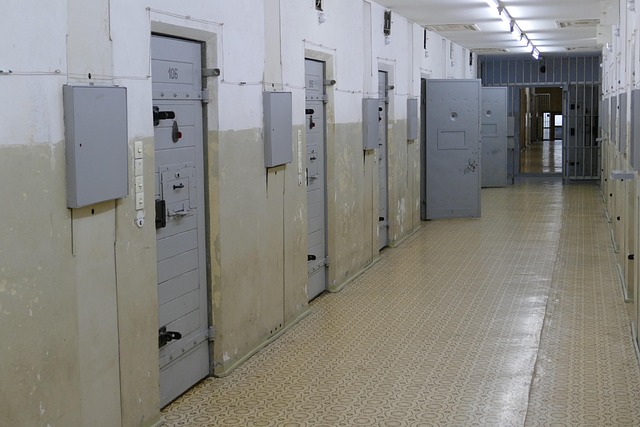
ORANGE, CALIFORNIA (January 17, 2025): Scott Theodore Remick, a 51-year-old Anaheim man who was awaiting trial, died in custody on Friday, January 17, 2025, after he began struggling to breathe at the Theo Lacy Facility in Orange, according to the Orange County Sheriff’s Department (OCSD) and a report released on October 13, 2026, by the Orange County District Attorney’s Office, as reported by KTLA. An autopsy found that he died of community-acquired pneumonia, with hypertensive cardiovascular disease as another significant condition, and the death was classified as natural, the report says.
Remick was arrested in Anaheim on January 5, 2025, and was medically cleared at a hospital before he was booked into the county jail, according to the report. He was moved to Theo Lacy the next day and housed in G-Barracks, the sheriff’s department said in its custody death notice.
On the night of January 16, surveillance video showed Remick on his bunk for several hours, at times sitting up or moving, and deputies reported nothing unusual during safety checks, according to the report. At about 1:35 a.m. on January 17, a deputy noticed he was breathing abnormally and called for medical help. Nurses arrived about six minutes later and recommended a hospital transfer. Paramedics arrived shortly before 2 a.m., and he reached UC Irvine Medical Center around 2:30 a.m. in full cardiac arrest. He suffered five more cardiac arrests and was pronounced dead at 10:06 a.m.
The district attorney’s office said it found no evidence of criminal wrongdoing by jail staff, writing that there is “nothing to indicate” his death resulted from inaction or improper action by sheriff’s personnel, and closed its review. Its findings did not address jail policies, training or civil liability, KTLA reported. The public findings do not say whether Remick complained of symptoms or sought medical care before the night he collapsed.
Liability for a Death in Custody at the Theo Lacy Facility
A decision not to file criminal charges answers only whether anyone committed a crime. Civil rights law asks a different question. People held in a county jail before trial are protected by the Due Process Clause of the Fourteenth Amendment, and families may bring claims under 42 U.S.C. § 1983 when jail staff are deliberately indifferent to a serious medical need. Under California Government Code § 845.6, a public employee may also be liable for failing to summon medical care for a prisoner who obviously needs it.
- Medical screening at booking: The report says Remick was medically cleared at a hospital before booking. What the jail’s own intake screening recorded is part of the medical picture.
- The 11 days in custody: The public report details the night he collapsed. Whether Remick reported a cough, fever or trouble breathing, and whether he asked to see jail medical staff before January 17, are questions the public findings do not answer.
- The response on the night he collapsed: The report says nurses arrived in about six minutes and paramedics in less than half an hour. Medical and jail records show what care was given in that window.
- Separate civil standard: A civil claim uses a different standard of proof and can look at policies, staffing and training, which the criminal review did not address.
These are general principles, not conclusions about this case.
Steps to Take After a Death in Custody at the Theo Lacy Facility
According to the U.S. Bureau of Justice Statistics, illness accounts for a large share of deaths in local jails nationwide. The Orange County Sheriff’s Department posts a public notice of each death in its custody. Families who lose someone in a county jail can generally:
- Request the coroner’s records: Next of kin can generally ask the Orange County Sheriff-Coroner for the autopsy report and the death certificate.
- Read the district attorney’s letter: The Orange County District Attorney publishes custodial death reports online, with the timeline and the evidence reviewed.
- Ask for jail medical records: Families can generally request the deceased person’s jail medical and sick call records, which show what symptoms were reported and when.
- Keep a written record: Save every letter from the jail, the hospital and the county, and note the date of each call.
Deadlines can be strict in custody cases. Claims against a county generally must be presented within six months under Government Code § 911.2, although California law allows late claim applications in limited circumstances, and civil rights and wrongful death lawsuits are generally subject to the two-year limit in Code of Civil Procedure § 335.1. Contact an attorney promptly to protect your rights.
Investigating the Death of Scott Theodore Remick
We at Carrazco Law, A.P.C., a personal injury and civil rights law firm in Irvine, California, extend our condolences to the family and friends of Scott Theodore Remick. Two questions remain open: did Remick report symptoms or ask for medical care during his 11 days in custody, and what did his jail medical records show before the night he collapsed? Earlier this year we reported on the deaths of Edson Rosasmedrano at the Theo Lacy Facility and Dennis Gomez at Theo Lacy.
If a loved one died or was seriously injured while in custody anywhere in California, our civil rights attorneys can help you understand your rights and legal options. Call us anytime at (800) 541-3244. Se Habla Español. Free consultation.

Published on October 15, 2026 by M.M., Carrazco Law, A.P.C. The incident described in this article occurred on January 17, 2025.