Unresponsive in his cell: A man arrested on drug charges died at the downtown jail the next night
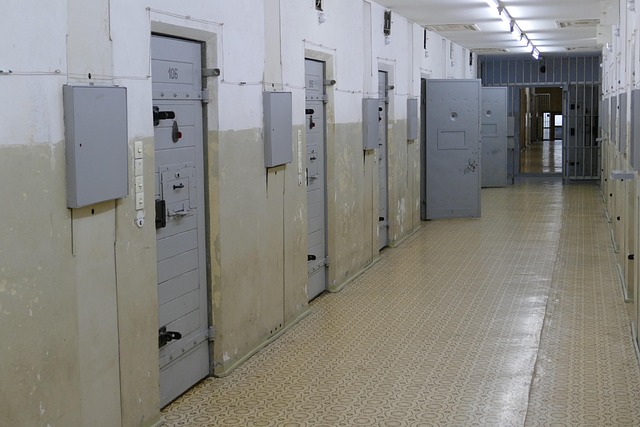
SAN DIEGO, CALIFORNIA (August 14, 2026): A 34-year-old man who had been booked into the San Diego Central Jail in downtown San Diego one day earlier died Friday night after being found unresponsive in his cell, according to the San Diego County Sheriff’s Office. The Sheriff’s Office said the man had been arrested the day before on drug charges and that deputies found him at about 8:05 p.m., the Times of San Diego reported. Deputies and jail medical staff began life-saving measures and paramedics responded, but he was pronounced dead, the Sheriff’s Office said. His name has not been released pending notification of his family.
The Sheriff’s Homicide Unit is investigating, as is standard for in-custody deaths, and the Citizens’ Law Enforcement Review Board, known as CLERB, was notified, according to NBC San Diego. The cause and manner of death are pending the findings of the San Diego County Medical Examiner. The Sheriff’s Office has not said whether the man was screened for medical risk at booking or when he was last checked before he was found. A 50-year-old man died at the same jail on September 6, which Hoodline, citing the San Diego Union-Tribune, reported as the county’s seventh in-custody death of 2026.
Liability for San Diego County Jail Deaths
A person arrested but not convicted is a pretrial detainee protected by the Fourteenth Amendment, which requires jail staff to respond reasonably to a serious medical need; the Eighth Amendment protects people serving sentences. 42 U.S.C. § 1983 allows a claim against individual deputies and medical staff and, under Monell v. Department of Social Services (1978) 436 U.S. 658, against the County of San Diego when a policy or custom, such as inadequate screening or infrequent cell checks, caused the death. California Government Code § 845.6 makes a public entity liable when an employee knows a prisoner needs immediate medical care and fails to summon it. The Bane Act, California Civil Code § 52.1, adds a state claim.
- Intake screening: a person arrested on drug charges may face withdrawal or overdose risk; whether nurses screened him and ordered monitoring is the first question.
- Safety checks: California regulations require safety checks at least hourly, and more often for those at risk; the logs will show when he was last seen alive.
- Response time: how long passed between the last check, the discovery at 8:05 p.m. and the arrival of paramedics.
- Pattern: the seventh in-custody death this year, and the 2022 State Auditor findings, bear on whether a county policy or custom is responsible.
If the evidence shows an objectively unreasonable failure to provide care, the family may bring federal civil rights and state wrongful death claims. Damages include the loss of his love, companionship and support, funeral costs and, through a survival claim, his suffering before death, with punitive damages possible under § 1983.
Steps to Take After a San Diego County Jail Death
According to the California State Auditor’s 2022 report, San Diego County’s jails had one of the highest death rates among large California counties, and the U.S. Bureau of Justice Statistics has reported that a large share of deaths in local jails nationwide occur within the first days after admission.
- Request the Medical Examiner’s file: the autopsy and toxicology results will establish cause of death and whether it was preventable.
- Demand preservation of jail records: booking forms, medical screening, cell check logs and video can be overwritten; an attorney can send a preservation letter now.
- File a CLERB complaint: the Citizens’ Law Enforcement Review Board investigates in-custody deaths independently and the family can participate.
- Use the Public Records Act: Penal Code § 832.7 and Government Code § 7920.000 et seq. cover incident reports, policies and prior death investigations.
- Identify cellmates and witnesses: people housed nearby may have heard calls for help; their names appear in housing records.
Legal deadlines and notice requirements apply after a crash, injury or death, and they vary with the facts of each case, the location and the parties involved, including any public agency. Contact an attorney as soon as possible to protect your rights.
Investigating San Diego County Jail Deaths
We at Carrazco Law, A.P.C. extend our deepest condolences to the family of the man who died. Was he screened for withdrawal, overdose or medical risk when he was booked, and was any monitoring ordered? When was he last checked before 8:05 p.m., and did the jail follow its own safety check schedule?
If a loved one died or was seriously injured while in custody anywhere in California, our civil rights attorneys can help you understand your rights and legal options. Call us anytime at (800) 541-3244. Se Habla Español. Free consultation.

Published on September 16, 2026 by M.M., Carrazco Law, A.P.C. The incident described in this article occurred on August 14, 2026.