High Desert Detention Center: Douglas James Hill, 36, Is Found Unresponsive in His Cell Days After His Arrest
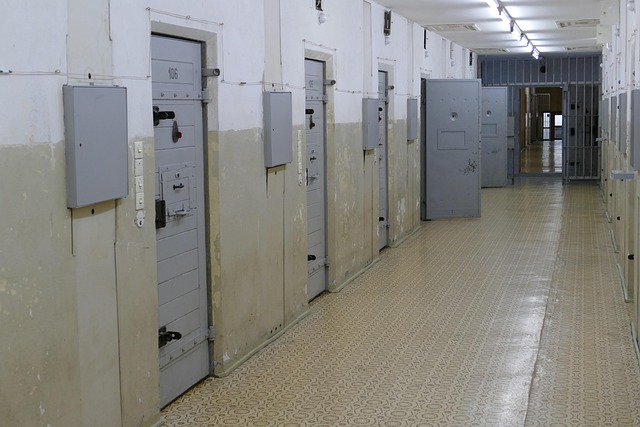
ADELANTO, CALIFORNIA (October 27, 2026): Douglas James Hill, a 36-year-old Apple Valley man, died in custody at the High Desert Detention Center in Adelanto on Tuesday, October 27, 2026, according to the San Bernardino County Sheriff’s Department. The department said deputies and the jail’s medical staff responded to Hill’s housing cell at about 5:30 a.m. after he was found unresponsive. They performed lifesaving measures until fire personnel arrived and pronounced him dead, Victor Valley News Group reported, citing the Sheriff’s Department. KTLA also reported his death.
According to the Sheriff’s Department, Hill had been arrested by deputies in Hesperia on October 21, 2026. The department said that at the time of the arrest he was taken to a hospital and was medically cleared for booking before he was brought to the jail.
The Sheriff’s Specialized Investigations Division took over the case, and investigators from the San Bernardino County Coroner’s Office also responded. The department said that no indications of foul play were noted and that an autopsy will be conducted to determine the cause of death.
The Sheriff’s Department has not said why Hill was taken to a hospital at the time of his arrest, what his condition was in the days before he was found, when he was last checked by deputies or medical staff, or whether any concerns about his health were raised while he was in the jail. The cause of death will not be known until the autopsy results are released. Anyone with information is asked to call the Specialized Investigations Division at (909) 890-4904, or We-Tip at (844) 909-3006 to remain anonymous.
Liability for an In-Custody Death at High Desert Detention Center
Under 42 U.S.C. § 1983, a person may generally bring a civil rights claim when someone acting under government authority violates rights protected by the Constitution. For people held in a county jail before any conviction, federal courts apply the Fourteenth Amendment, and the Ninth Circuit held in Gordon v. County of Orange (2018) that jail staff can be responsible when they fail to take reasonable steps to address a serious medical risk they should have recognized. Under California law, Government Code § 845.6 generally makes a public employee, and the public entity, liable when the employee knows or has reason to know that a prisoner needs immediate medical care and fails to take reasonable action to summon it.
- Medical clearance at booking: The Sheriff’s Department said Hill was taken to a hospital when he was arrested and was medically cleared for booking. What the hospital found, and what information reached the jail’s medical staff, are central questions in a case like this.
- Monitoring in the cell: Hill was found unresponsive at about 5:30 a.m. Jail logs, safety check records and housing unit video can show when he was last seen and how often deputies checked on him.
- Medical care during custody: Records of any medical screening, medications, sick call requests or nursing visits between his booking and his death can show whether his condition was monitored.
- Response and policies: How quickly staff responded, and whether the county’s policies on medical care and safety checks were followed, are typically examined in an in-custody death review.
These are general principles. Whether any claim exists depends on the autopsy, the jail records and the findings of the investigation. Our guide on what to do if a family member dies in a California jail explains the records a family can generally request.
Steps to Take After an In-Custody Death at High Desert Detention Center
Deaths in local jails are not rare: the U.S. Bureau of Justice Statistics counted 1,200 deaths in local jails nationwide in 2019, a mortality rate of 167 per 100,000 inmates, according to its report Mortality in Local Jails, 2000 to 2019. Families can take these steps:
- Contact the investigators: Ask the Specialized Investigations Division for the name of the assigned detective and how the family will be informed of the findings.
- Ask about the autopsy: The Coroner’s Office can explain how the family can request the autopsy report and the death certificate once they are available.
- Keep a record: Save any letters, call recordings, messages or notes from Hill’s time in custody, and write down what the family was told and by whom.
- Request records in writing: Ask in writing for the jail’s records related to Hill, and speak with a lawyer about how to preserve video and medical records as soon as possible.
Legal deadlines and notice requirements apply after a crash, injury or death, and they vary with the facts of each case, the location and the parties involved, including any public agency. Contact an attorney as soon as possible to protect your rights.
Investigating the In-Custody Death of Douglas James Hill
We at Carrazco Law, A.P.C., a personal injury and civil rights law firm in Irvine, California, extend our deepest condolences to the family and friends of Douglas James Hill. Two questions remain open: why Hill needed hospital care at the time of his arrest, and whether that condition was passed on to and monitored by the jail’s medical staff before he was found in his cell.
If a loved one died or was seriously injured while in custody anywhere in California, our civil rights attorneys can help you understand your rights and legal options. Call us anytime at (800) 541-3244. Se Habla Español. Free consultation.

Published on October 30, 2026 by M.M., Carrazco Law, A.P.C. The incident described in this article occurred on October 27, 2026.