Rock Mountain Detention Facility, Otay Mesa: Man Taken to a Hospital With a Leg Infection Dies Four Days Later
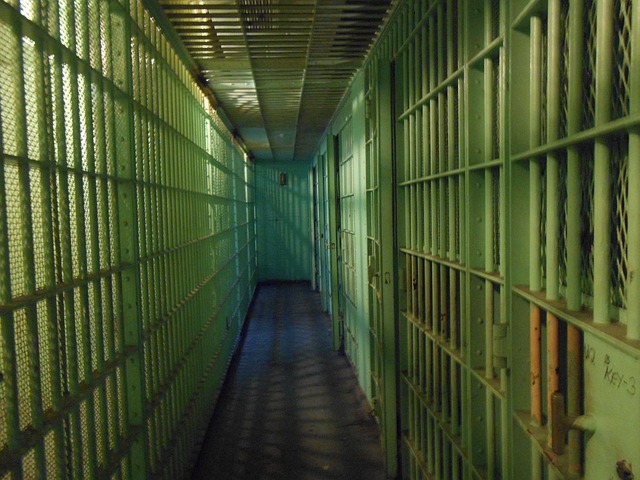
SAN DIEGO, CALIFORNIA (November 5, 2026): A 40-year-old man died in the custody of the San Diego County Sheriff’s Office on Thursday, November 5, 2026, four days after he was taken by ambulance from Rock Mountain Detention Facility in Otay Mesa for a medical emergency related to an infection in his leg, according to the Sheriff’s Office. The San Diego Union-Tribune also reported the death at the Rock Mountain Detention Facility, citing the department.
The man was transported from the jail to a hospital on Sunday, November 1, 2026, the Sheriff’s Office said. While he was being treated on the morning of November 5, his condition quickly deteriorated, and despite the efforts of medical staff, he died. He had been held since February 23, 2026, when a judge at the El Cajon courthouse ordered him into custody, according to the department and the Union-Tribune.
In line with its protocol for every in-custody death, the Sheriff’s Homicide Unit is investigating, and the Citizens’ Law Enforcement Review Board (CLERB) has been notified, the Sheriff’s Office said. The San Diego County Medical Examiner’s Office will determine the cause and manner of death. The Homicide Unit can be reached at 858-285-6330.
The Sheriff’s Office has not said when the man first reported symptoms of the infection, whether jail medical staff saw him before November 1, how long the infection had been developing or what treatment he received inside the jail. The Medical Examiner’s findings have not been released.
Liability for a Death in Custody at Rock Mountain Detention Facility
Under 42 U.S.C. § 1983, a person may generally bring a civil rights claim when someone acting under government authority violates rights protected by the Constitution. For people held in a county jail before any conviction, federal courts apply the Fourteenth Amendment, and the Ninth Circuit held in Gordon v. County of Orange (2018) that jail staff can be responsible when they fail to take reasonable steps to address a serious medical risk they should have recognized. Under California law, Government Code § 845.6 generally makes a public employee, and the public entity, liable when the employee knows or has reason to know that a prisoner needs immediate medical care and fails to take reasonable action to summon it.
- The infection before November 1: An infection usually develops over days. When the man first showed or reported symptoms, and what jail staff knew, is the core question under Government Code § 845.6.
- Sick-call and medical records: Requests for care, medical visits, medication logs and wound-care notes can show what care he asked for and received at Rock Mountain.
- The decision to send him out: He was taken out by ambulance for a medical emergency, the Sheriff’s Office said. Whether an earlier hospital transfer was considered is often examined when a death follows an infection.
- County policies: Under Monell v. Department of Social Services (1978), a county can be liable under § 1983 when its own policy or custom causes a constitutional violation.
These are general principles, not conclusions about this death, which is still under review.
Steps to Take After a Death in Custody at Rock Mountain Detention Facility
Illness is one of the most common causes of death behind bars: from 2008 to 2018, about half of all deaths in local jails nationwide were due to illnesses, according to the U.S. Bureau of Justice Statistics (BJS), Mortality in Local Jails, 2000 to 2018. Our guide on what to do if a family member dies in a California jail explains the records a family can generally request. Families can take these steps:
- Contact the Homicide Unit: Ask the Sheriff’s Homicide Unit for the case number and the assigned detective, and how the family will be told of the findings.
- Ask about the autopsy: The San Diego County Medical Examiner’s Office can explain how the family can request the autopsy report and the death certificate once they are available.
- Request medical records: Ask in writing for the jail and hospital medical records, and keep any letters or messages in which your loved one described his health or care.
- Follow the CLERB review: The Citizens’ Law Enforcement Review Board reviews in-custody deaths; families can ask how to follow the case.
Legal deadlines and notice requirements apply after a crash, injury or death, and they vary with the facts of each case, the location and the parties involved, including any public agency. Contact an attorney as soon as possible to protect your rights.
Investigating the Death in Custody at Rock Mountain Detention Facility
We at Carrazco Law, A.P.C., a personal injury and civil rights law firm in Irvine, California, extend our deepest condolences to the family and friends of the man who died. Important questions remain: When did jail medical staff first learn about the infection in his leg, and what treatment did he receive before he was sent to a hospital? And were the jail’s medical protocols followed in the days before November 1? This blog has also reported on the death of Daniel Patrick Murphy at San Diego Central Jail, another in-custody death in a San Diego County Sheriff’s facility.
If a loved one died or was seriously injured while in custody anywhere in California, our civil rights attorneys can help you understand your rights and legal options. Call us anytime at (800) 541-3244. Se Habla Español. Free consultation.

Published on November 8, 2026 by M.M., Carrazco Law, A.P.C. The incident described in this article occurred on November 5, 2026.