George Bailey Detention Facility, Otay Mesa: Man Dies After a Medical Emergency in His Housing Unit
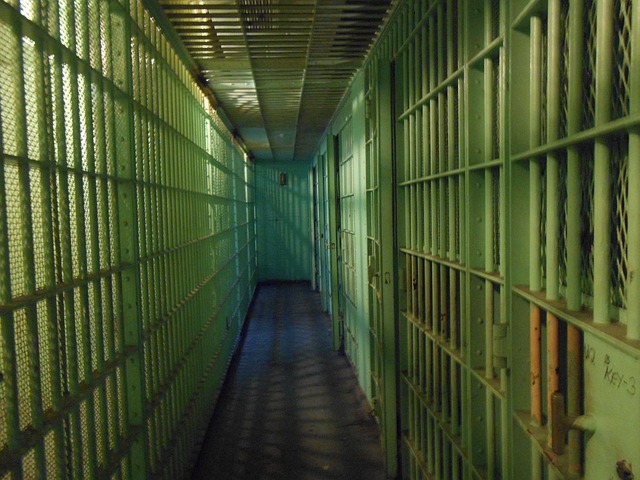
SAN DIEGO, CALIFORNIA (November 24, 2026): A 44-year-old man died in custody on Tuesday, November 24, 2026, after a medical emergency inside his housing unit at the George Bailey Detention Facility, the San Diego County jail in Otay Mesa, according to the San Diego County Sheriff’s Office. City News Service, citing the Sheriff’s Office, reported that the emergency happened around 5:10 a.m. FOX 5 San Diego also reported the death of the man at the George Bailey Detention Facility, citing the Sheriff’s Office.
Deputies, jail medical staff and emergency medical services personnel gave him aid before he was taken by ambulance to a hospital, where he was pronounced dead, the Sheriff’s Office said. According to the Sheriff’s Office, he was arrested by the San Diego Police Department in April 2022 and had been in the Sheriff’s custody since January 2025.
The Sheriff’s Homicide Unit is investigating, as it does in every in-custody death, and the Citizens’ Law Enforcement Review Board has been notified, according to the Sheriff’s Office. The San Diego County Medical Examiner’s Office will determine the cause and manner of death. In a statement reported by City News Service, the Sheriff’s Office said, “A sheriff’s family liaison officer has been assigned to support the family.”
The Sheriff’s Office has not released the man’s name, the nature of the medical emergency, whether he had been convicted or was awaiting trial, or when deputies or medical staff last checked on him before he was found in distress.
Liability for an In-Custody Death at the George Bailey Detention Facility
Under 42 U.S.C. § 1983, a person may generally bring a civil rights claim when someone acting under government authority violates rights protected by the Constitution. For people held in jail who have not been convicted, the Ninth Circuit applies the Fourteenth Amendment to medical care claims (Gordon v. County of Orange, 2018); for people serving a sentence, the Eighth Amendment standard of Estelle v. Gamble applies. Under California law, Government Code § 845.6 generally makes a public employee and the public entity liable when the employee knows or has reason to know that a prisoner needs immediate medical care and fails to take reasonable action to summon it. Based on what the Sheriff’s Office has released, the questions include:
- The medical emergency: The Sheriff’s Office said the man had a medical emergency inside his housing unit around 5:10 a.m. What his condition was in the hours before, and whether staff saw signs that he needed care, are central questions.
- Response time: Deputies, medical staff and paramedics gave aid before he was taken to a hospital. Jail logs, cell checks and video can show how quickly help reached him.
- Medical history in custody: He had been in the Sheriff’s custody since January 2025. Medical screening and care records from that period may show whether known conditions were treated.
- Independent review: The Homicide Unit, the Medical Examiner and the Citizens’ Law Enforcement Review Board each have a role. Their findings often become key evidence for families.
Claims involving a county jail can also be brought against the county itself when a policy, custom or lack of training contributed to a death. Every case depends on its own facts.
Steps to Take After a Death at the George Bailey Detention Facility
San Diego County jails have been reviewed by the California State Auditor, which in a 2022 report examined in-custody deaths in the county’s jail system from 2006 through 2020, City News Service reported. When a relative dies in a jail, families often have more questions than answers. These steps can help:
- Contact the Sheriff’s Office: Ask for the name of the family liaison officer and the investigator assigned, and request information about how and when your relative died.
- Follow the Medical Examiner’s review: Contact the San Diego County Medical Examiner’s Office about the autopsy and ask how to obtain the final report and death certificate.
- Keep records: Save letters, phone logs, commissary records, medical paperwork and any messages from your relative about his health while he was in custody.
- Ask for preservation of evidence: An attorney can send requests to preserve jail video, cell check logs and medical records before they are lost or overwritten.
Legal deadlines and notice requirements apply after a crash, injury or death, and they vary with the facts of each case, the location and the parties involved, including any public agency. Contact an attorney as soon as possible to protect your rights.
Investigating the Death at the George Bailey Detention Facility
We at Carrazco Law, A.P.C., a personal injury and civil rights law firm in Irvine, California, extend our condolences to the family and friends of the man who died at the George Bailey Detention Facility. Two questions stand out: what did jail medical staff know about his health before the emergency in his housing unit, and how long did it take for aid to reach him? Earlier this month we reported on a 40-year-old man who died in custody at the Rock Mountain Detention Facility in San Diego, and our guide explains what to do if a family member dies in a California jail.
If a loved one died or was seriously injured while in custody anywhere in California, our civil rights attorneys can help you understand your rights and legal options. Call us anytime at (800) 541-3244. Se Habla Español. Free consultation.

Published on November 25, 2026 by M.M., Carrazco Law, A.P.C. The incident described in this article occurred on November 24, 2026.