Substance Abuse Treatment Facility, Corcoran: Louis T. Jackson Is Found Unresponsive in His Cell and CDCR Opens a Homicide Investigation
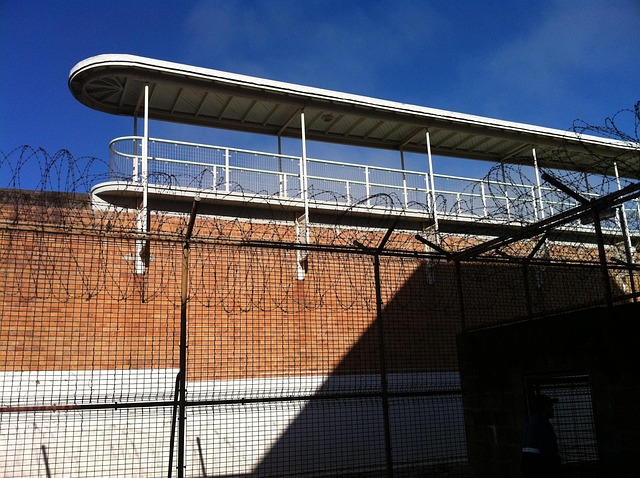
CORCORAN, CALIFORNIA (October 24, 2026): Louis T. Jackson, 62, died in custody at the Substance Abuse Treatment Facility (SATF) in Corcoran on Saturday, October 24, 2026, and state prison officials are investigating his death as a homicide, according to the California Department of Corrections and Rehabilitation (CDCR). KTVU FOX 2 also reported the investigation, citing the department.
Custody staff saw Jackson unresponsive in his cell at 6:46 a.m., CDCR said. Staff called 911 and began lifesaving measures while taking him to the prison’s treatment and triage area. Paramedics arrived at the institution and pronounced him dead at 7:12 a.m., according to the department. CDCR said Jackson had been received into the state prison system from Los Angeles County.
Jackson’s cellmate, a 34-year-old man, was placed in restricted housing while the SATF Investigative Services Unit and the Kings County District Attorney’s Office investigate, CDCR said, and the Office of the Inspector General has been notified. He is presumed innocent unless proven guilty in court. KTVU reported that no charges had been announced. SATF houses men at minimum to maximum security levels, with about 5,200 incarcerated people and about 2,000 staff, according to CDCR.
CDCR has not said how Jackson died, whether he had visible injuries, when staff last checked the cell before 6:46 a.m., or what led investigators to treat the death as a homicide. A cause of death has not been released. These are early accounts. Fault is determined by investigators and, in civil cases, by the courts, and initial findings sometimes change.
Liability for a Death at the Substance Abuse Treatment Facility in Corcoran
Under 42 U.S.C. § 1983, families can bring federal civil rights claims when government officials violate a person’s constitutional rights. In Farmer v. Brennan (1994), the U.S. Supreme Court held that prison officials have a duty to protect incarcerated people from violence at the hands of other prisoners, and that deliberate indifference to a substantial risk of serious harm violates the Eighth Amendment. Under state law, California Government Code § 845.6 generally makes a public employee, and the public entity, liable when the employee knows or has reason to know that a prisoner needs immediate medical care and fails to take reasonable action to summon it.
- Housing two men together: Jackson, 62, shared a cell with a 34-year-old man. How CDCR decided to house them together, and what classification information it had about each of them, is likely to be part of any review.
- Known risks: Under Farmer, a central question is whether staff knew of a substantial risk to Jackson’s safety, such as threats, earlier conflicts or a request to change cells, and how they responded.
- Cell checks and response time: Staff found Jackson unresponsive at 6:46 a.m. When the cell was last checked before that, and how quickly medical help was called, can matter under Section 845.6.
- Records and oversight: Housing unit logs, security check records, any video and the Inspector General’s monitoring can help show what happened inside the cell and who knew what.
These are general principles of federal and California law. How they apply will depend on facts that CDCR, the Kings County District Attorney’s Office and the Inspector General have not yet released.
Steps to Take After a Death in a California State Prison
When a person dies in a California state prison, CDCR investigates, the Office of the Inspector General may monitor the case, and a county district attorney reviews possible crimes. Even so, families often receive very little information at first and have to ask for records on their own.
- Ask who is handling the death: Contact CDCR and the county coroner to confirm who is investigating, and request the autopsy report and death certificate as soon as possible.
- Send a preservation letter: Ask CDCR in writing to keep housing logs, cell check records, classification files and any video from the unit where your loved one lived.
- Save personal records: Keep letters, phone call logs and messages from your loved one, especially any that mention threats, cell conflicts or requests to move.
- Consider an independent review: An independent autopsy and a lawyer’s review of the records can help a family understand what happened before signing forms or giving statements.
Legal deadlines and notice requirements apply after a crash, injury or death, and they vary with the facts of each case, the location and the parties involved, including any public agency. Contact an attorney as soon as possible to protect your rights.
Investigating the Death at SATF in Corcoran
We at Carrazco Law, A.P.C., a personal injury and civil rights law firm in Irvine, California, extend our deepest condolences to the family and friends of Louis T. Jackson. Two questions remain open: what did CDCR know about any risk between Jackson and his cellmate before they were housed together, and when did staff last look into the cell before he was found? We also covered the death of Mario Ortega at California State Prison, Sacramento, and our guide explains what to do if a family member dies in custody in California.
If a loved one died or was seriously injured while in custody anywhere in California, our civil rights attorneys can help you understand your rights and legal options. Call us anytime at (800) 541-3244. Se Habla Español. Free consultation.

Published on October 27, 2026 by M.M., Carrazco Law, A.P.C. The incident described in this article occurred on October 24, 2026.